

Characteristics of Furniture Die-Castings
Furniture die-castings have the following characteristics:
1. High Precision: Die-castings have high shape and dimensional accuracy, excellent surface finish, and require no secondary processing.
2. High Strength: Die-castings have high strength and hardness, and can withstand heavy loads.
3. Complex Shapes: Die-castings can produce complex shapes, including hollow interiors, thin-walled structures, slopes, and curves.
4. Efficient Production: Die-castings can be mass-produced, offering high efficiency and low cost.
Manufacturing Process for Furniture Die-Castings
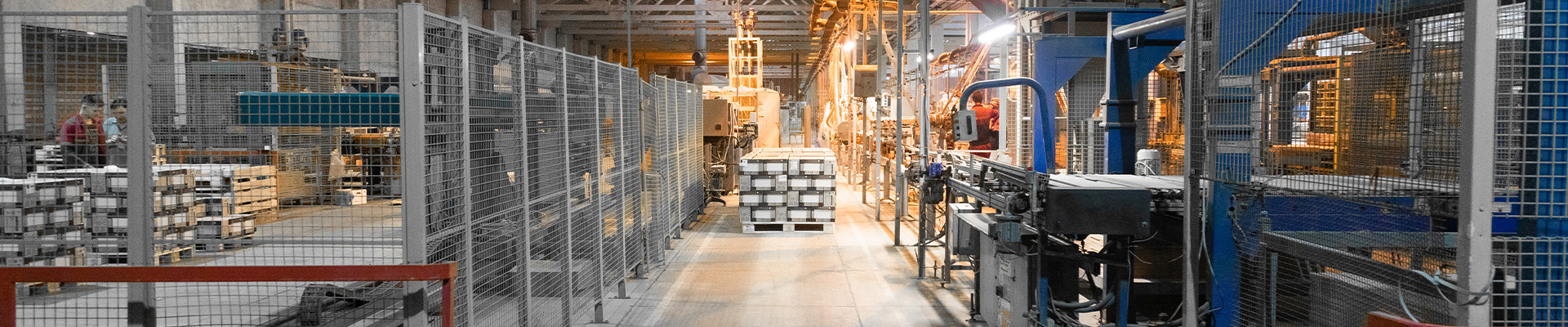
The manufacturing process for furniture die-castings includes the following steps:1. Mold Making: The mold required for the die-casting is typically made of steel.
2. Material Preparation: The desired material is melted into a liquid state and maintained at a certain temperature in a furnace.
3. Die-Casting: Liquid metal is injected into the mold and pressure is applied to fill the mold.
4. Heat Treatment: Die-cast parts are heat-treated to enhance their strength and hardness.
5. Surface Treatment: Die-cast parts are polished, painted, and other treatments to improve their appearance.
Applications of Furniture Die-Castings
Furniture die-castings are widely used in the furniture manufacturing industry, such as:1. Furniture hardware accessories: such as furniture handles, furniture legs, and door hinges.
2. Furniture structural components: such as bed frames, chair bases, and sofa frames.
3. Lighting accessories: such as lamp holders and lamp poles.
4. Other accessories: such as electrical appliance housings and automotive parts.